
Tartar Buildup
Care beneath the smile. Attention to gums and everyday habits.
EXPERIENCE · CARE
Healthy foundations come first.
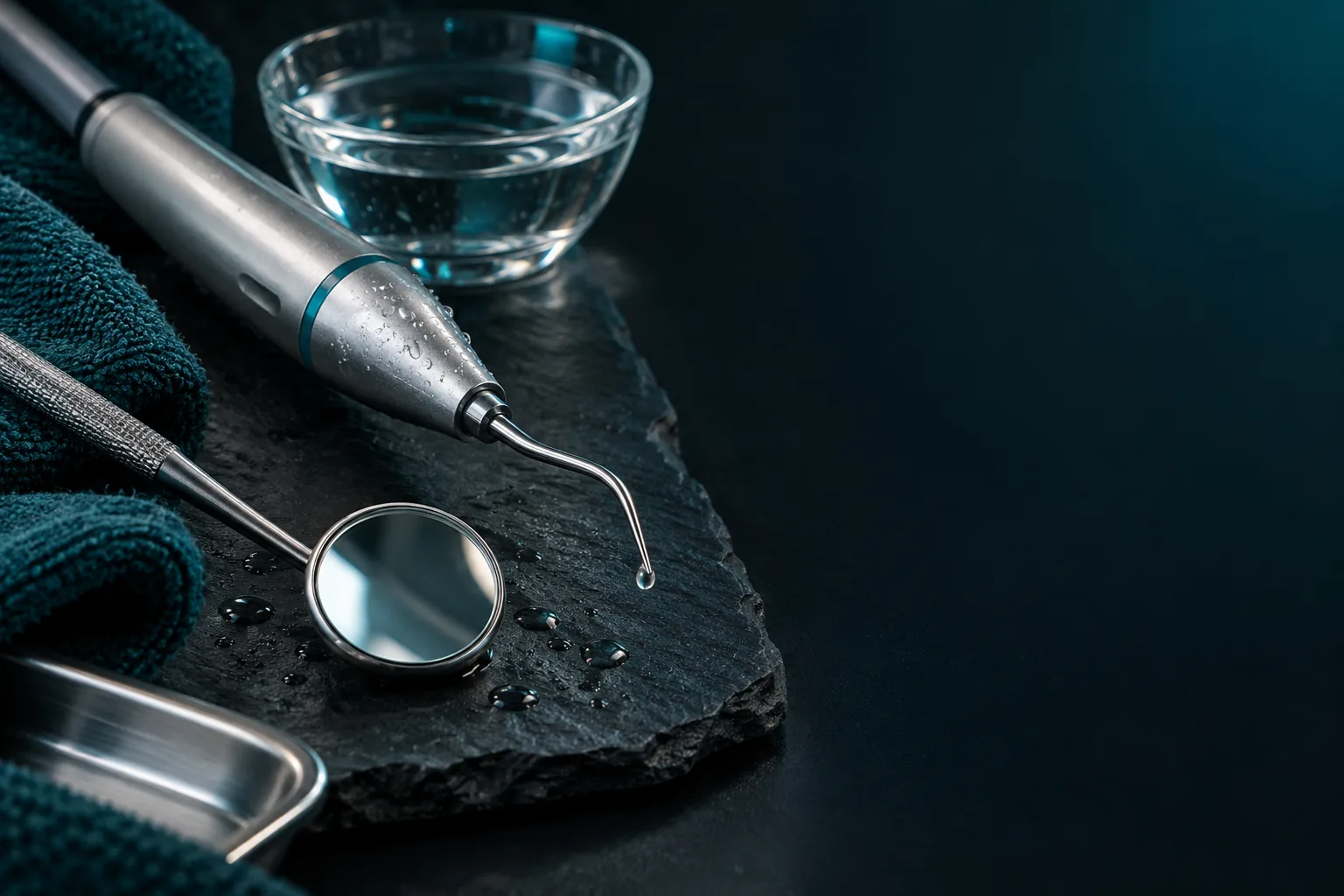
Tartar is hardened plaque that brushing alone cannot remove once it forms. A dental examination assesses teeth and gums and guides appropriate professional cleaning and review.
Gum assessment
Ask what this means for your own assessment and treatment plan.
Individual cleaning needs
Understand the alternatives and what the proposed approach can and cannot do.
A sustainable routine
Agree on the care instructions and how to contact the team.
 ILLUSTRATION · SMILE INN
The details that matter to your decision.
Discuss cleaning and care between teeth, and report bleeding or sensitivity. Comfort and the number of visits depend on the assessment. Do not try to scrape tartar off with household tools.
Prepare your questions ↓A clear path, at your pace.
A framework for the discussion; your actual visits depend on the treatment plan.
Assessment
Explain your concern, relevant history and any previous treatment. Your dentist decides which examinations or records are needed.
Options and plan
Discuss suitable alternatives, expectations, stages and a written estimate before agreeing to treatment.
Care and review
Keep your instructions and follow-up plan. Ask what should prompt you to contact the team before your next visit.
Questions worth asking.
How do I know if this service is suitable?
A dental examination is needed to understand the cause of your concern and compare appropriate options. An article or photograph cannot decide your treatment.
What should I bring to the consultation?
Bring relevant records, a list of medicines and health conditions, and your main questions. Confirm appointment details and consultation fees with the team.
How are the cost and number of visits decided?
They depend on the assessment and the agreed scope of care. Ask for a written breakdown of the treatment stages, included services and follow-up.
What should I ask before treatment?
Discuss cleaning and care between teeth, and report bleeding or sensitivity. Comfort and the number of visits depend on the assessment. Do not try to scrape tartar off with household tools.
Your next step starts with a conversation.
Tell us your concern. Ask about the service, clinician and appointment before planning your visit.